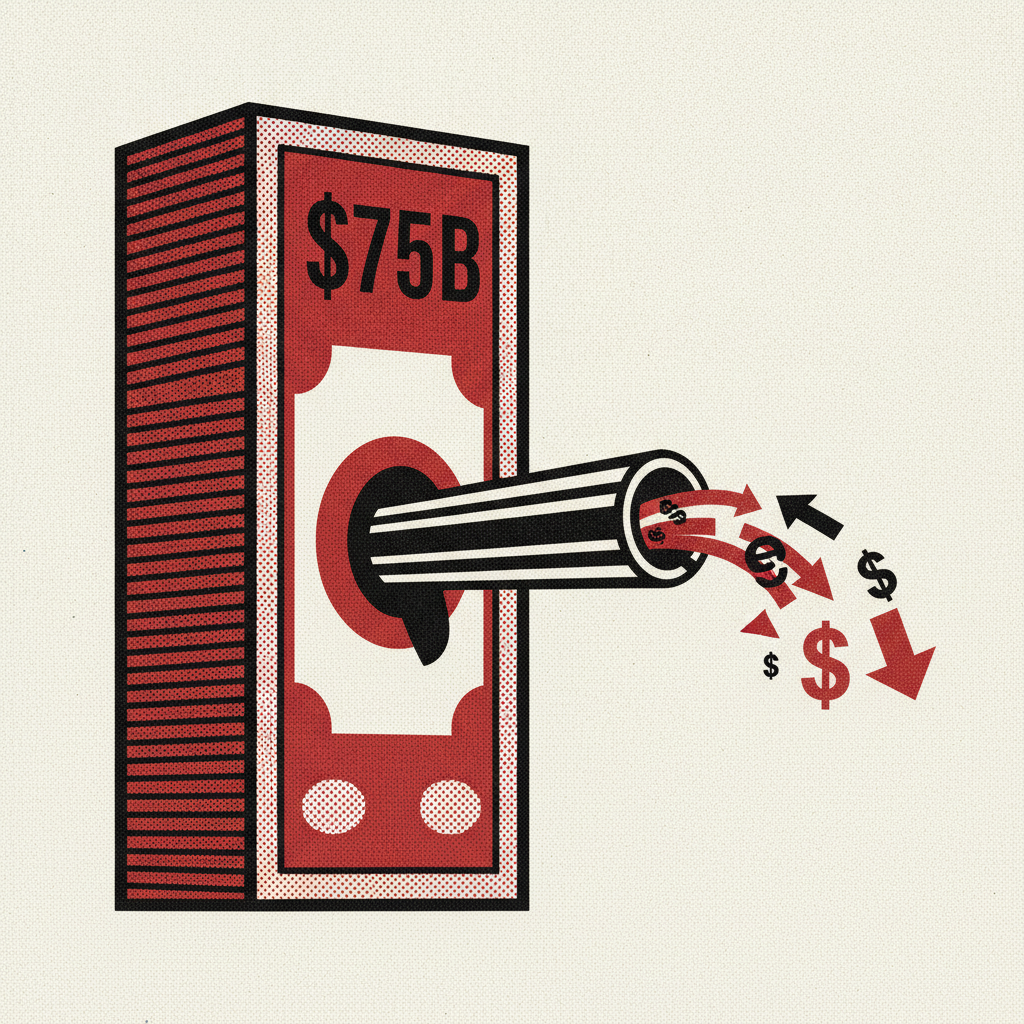
⚡ Breaking - Agentic AI threatens $75b of bank payments revenue by 2030
📰 BREAKING
$75 billion in payments revenue doesn't just disappear. It gets rerouted.
The banking industry's conventional wisdom says AI will "enhance" the customer experience while leaving the business model intact. But when agentic workflows can execute end-to-end payment orchestration — account verification, FX optimization, fraud screening, settlement routing, exception handling — without human handoffs, the math breaks down fast.
Three things financial services leaders keep missing:
The revenue isn't in processing anymore. Payment fees fund the rails, but agentic systems don't need branch networks or call centers to resolve failed transactions. They negotiate directly with counterparty systems. The infrastructure cost that justified interchange? Gone.
Compliance becomes the moat, not the product. When I walk CTOs through APRA CPS 230 implications for autonomous payment agents, the conversation shifts. You can't delegate accountability to an agent. The question becomes whether your architecture can prove control, auditability, and intervention points under regulatory scrutiny. That's not a feature you bolt on after deployment.
Internal pilots are burning budget on the wrong problem. I'm watching teams demo chatbots that "help" customers initiate payments while agentic systems at fintechs already execute multi-party reconciliation workflows across five jurisdictions overnight. The gap isn't capability. It's production readiness in a regulated environment.
If your payment strategy assumes AI assists humans in the current model, you're defending revenue that's already being unbundled.
Where does your payments architecture draw the line between agent autonomy and human accountability?